.png)
Next table on Saturday, March 14th at 1:00 PM |
1519 Jackson Ave. | Free
This community event is free and open to everyone, but donations to the Alliance Française are greatly appreciated to support our cultural and educational initiatives. Bring along some food or drinks to share, and join us for an evening of language, culture, and community. Join us for this free social and conversation table where you'll be able to practice your Louisiana Créole. Mèsi for the support!
.jpg)
.jpg)
.jpg)
.jpg)
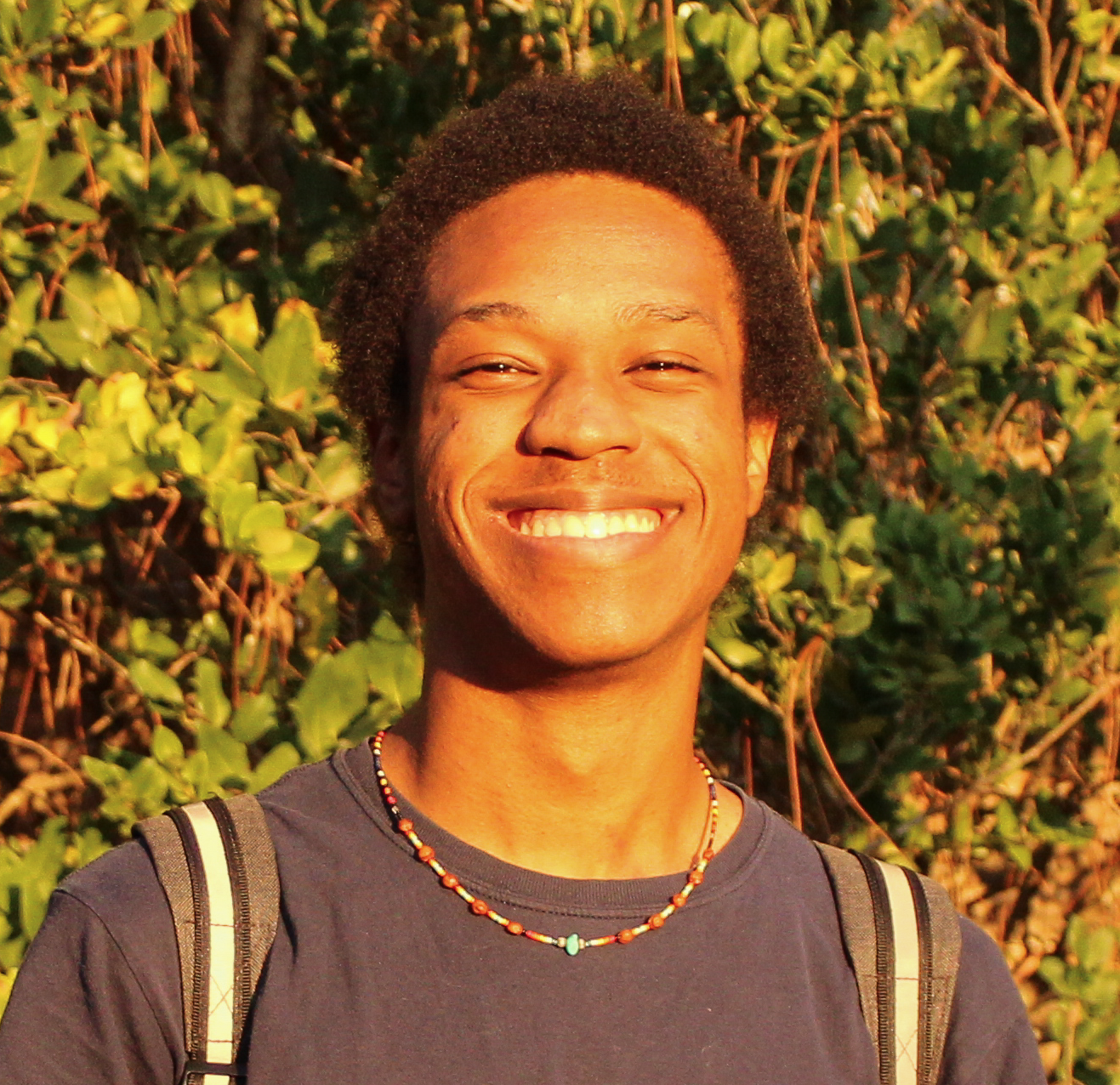
(En Kréyol) Enri Bakonné çé in lartis é laktivist kréyol Lalwizyàn ki dévyin de le 7èm ward
de Lanouvèl-Òléan é ki fé lar tradisyonnèl é dijital. Dan sô louvraj, Enri séyé trouvé mañè ajouté sô léritaj é langaj kréyol Lalwizyàn pou
édé lòt moun konm li aprenn é séyé réménnin lakilchir endan yê famiy. En 2021, li partí Lavil pou étidjé lar dan Baton-Rouj é gañin in
diplomm en lar é étud rélijyez de Linivèrsité Léta Lalwizyàn. Astè, l’ap travay koté Mizé Wès Baton-Rouj konm yê shèf de lédukasyon.
Avèk in lòt lartis kréyol, Jonathan “radbwa faroush” Mayers, li fé boukou lar é litérati ki trouvé dan Mitoloji Latannyèr/Mythologies
Louisianaises
(2023) koté Mizé Pak Kapital a Baton-Rouj, Contes Merveilleux (2023), Tickie Saia Memorial Park dan Baton-Rouj (2024), é Kont
Kréyol-yé
(2025) koté Mizé Wès Baton-Rouj. Osit, Enri komensé prinmyin latab kréyol koté Mizé Wès Baton-Rouj, pélé “Kafé Kréyol”-la, ki montré moun
apré langaj é lakilchir kréyol Lalwizyàn shak prinmyin sanmdi de mwa.
(In English) Henry Barconey is a Louisiana Creole artist and language activist from the 7th ward of New Orleans who makes
both traditional and digital art. In his work, Henry tries to incorporate his Creole heritage and language to help others like him learn
and try to bring the culture back into their own families. In 2021, he left the City to study art in Baton Rouge and earned a B.A. in
visual art with a minor in religious studies from Louisiana State University. Currently, he’s working at the West Baton Rouge Museum as
their head of education.
Working with fellow Louisiana Creole artist, Jonathan “radbwa faroush” Mayers, he’s made art and literature appearing in Mitoloji
Latannyèr/Mythologies Louisianaises
(2023) at the Baton Rouge Capitol Park Museum, Contes Merveilleux (2023), Tickie Saia Memorial Park in Baton Rouge (2024), and Kont
Kréyol-yé (2025)
at the West Baton Rouge Museum. Henry also started the first Creole table at the West Baton Rouge Museum, called the “Kafé Kréyol”, which
teaches people about the Louisiana Creole language and culture every first Saturday of the month.
(En Français) Henry Barconey est un
artiste créole de Louisiane et militant pour la langue, originaire du 7e arrondissement de La Nouvelle-Orléans, qui réalise à la fois de
l'art traditionnel et numérique. Dans son travail, Henry essaie d'incorporer son héritage et sa langue créole pour aider d'autres personnes
comme lui à apprendre et à essayer de ramener la culture dans leurs propres familles. En 2021, il a quitté la ville pour étudier l'art à
Baton Rouge et a obtenu un baccalauréat en arts visuels avec une mineure en études religieuses à l'Université d'État de Louisiane.
Actuellement, il travaille au West Baton Rouge Museum en tant que responsable de l'éducation.
En travaillant avec l'artiste louisianaise créole Jonathan « radbwa faroush » Mayers, il a créé des œuvres d'art et de littérature apparaissant dans Mitoloji Latannyèr/Mythologies Louisianaises (2023) au Baton Rouge Capitol Park Museum, Contes Merveilleux (2023), Tickie Saia Memorial Park à Baton Rouge (2024), et Kont Kréyol-yé (2025) au West Baton Rouge Museum. Henry a également lancé la première table créole au West Baton Rouge Museum, appelée le « Kafé Kréyol », qui enseigne aux gens la langue et la culture créoles de Louisiane chaque premier samedi du mois.
Louisiana Creole, otherwise known as Kouri-Vini or Gombo, is the Creole language native to Louisiana with documentation of its existence dating from as early as the mid-18th century. Contrary to popular belief that Louisiana Creole is a “français nègre” or “Black French,” it was spoken by people of all races and social classes in Louisiana, especially throughout its River Parishes. Even Alfred Mercier went as far to say that “Tous les petits blancs d’origine française, en Louisiane, ont parlé ce patois concurremment avec le français (All the white children of French origin in Louisiana spoke Creole alongside French)” in his 1880 “Étude sur la langue créole en Louisiane.” Bearing influence from French, Spanish, and various Native American and African languages, it truly encapsulates the rich blend of cultures that made up Louisiana during its colonial period. With fewer than 10,000 speakers as of today due to reasons such as Americanization and racial stigma, Louisiana Creole is now a critically endangered language.