Pénélope se déguise
Pénélope se déguise by Anne Gutman (2011)
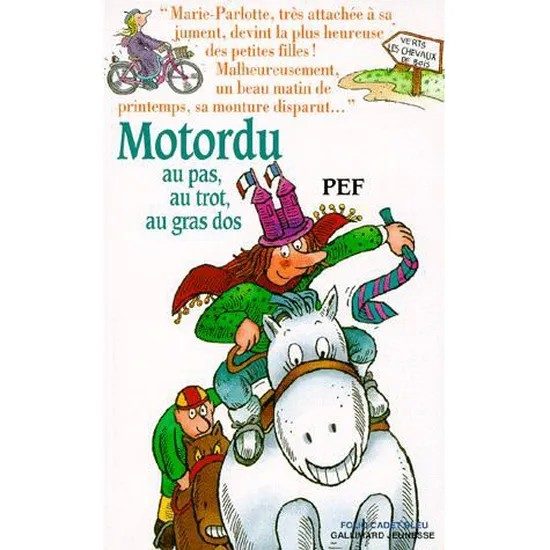
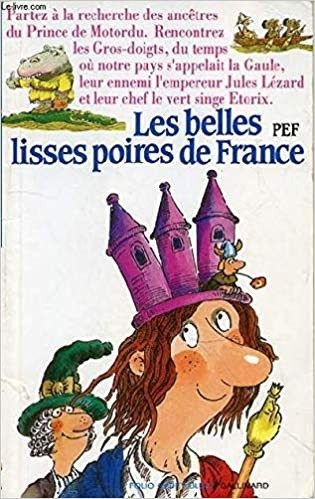
La sœur du petit Nid-de-Koala, Marie-Parlotte est amoureuse des chevaux. Ses parents, le Prince de Motordu et la Princesse Dézécolle, après avoir hésité, acceptent de lui en offrir un. Ce ne sera ni un beau nez ni un cheval de bourse, trop cher, mais une belle jument... Voilà une aventure princière qui ne manque pas de selle !
La reine de la récré by Fanny Joly (1999)
New Girlfriend, The by François Ozon (2016)
Les Enfants de Shylock ou l'antisémitisme sur scène (?)
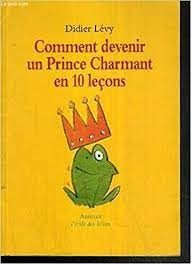
Comment devenir un prince charmant en 10 leçons, ou, Ma véritable histoire racontée par moi-même by Didier Lévy (1999)
Ma grand-mère perd la tête by Corinne Dreyfuss (2004)
Monsieur Non, Madame Canaille, Monsieur Costaud et tous leurs amis. Des personnages connus de tous les enfants pour découvrir les traits de caractères et les premières notions avec humour.
Louisiana by Louis-Armand Garreau (2003)
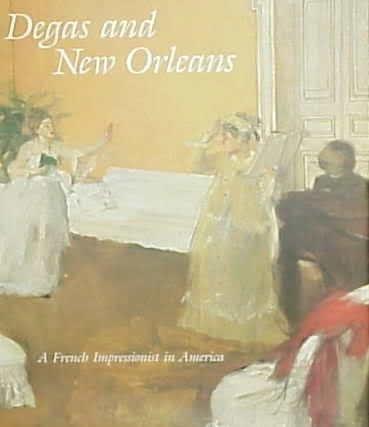
A French Impressionist in America
Edgar Degas is admired today as the quintessential artist of Paris: painter of ballet dancers, bathers, and laundresses, of the racetrack and the theater. Degas and New Orleans: A French Impressionist in America explores a different Degas in another place: a sojourner with his family in New Orleans, on the unique occasion when the subtlest and most advanced ideas of French painting alighted on the banks of the Mississippi River. Degas and New Orleans accompanies a major exhibition that reassembles most of the fascinating art that Degas created during his visit and places this work in its remarkable context of family drama and American history. In addition to the works generally believed to have been executed by Degas in New Orleans, the book includes paintings, pastels, drawings, prints and sculpture done in Europe that reflect Degas's relationship to the city and that are specifically related in theme or style, or are very close in date. Finally, to help clarify its character, the New Orleans work is complemented by a selection of Degas's "typical" subjects, such as dancers and racetracks. Family letters, documents, heirlooms, and vintage photographs from the period help to summon forth the context of the sole visit to America by a French Impressionist.